31 March 2022

Everything You Should Know About An Electrical Short Circuit

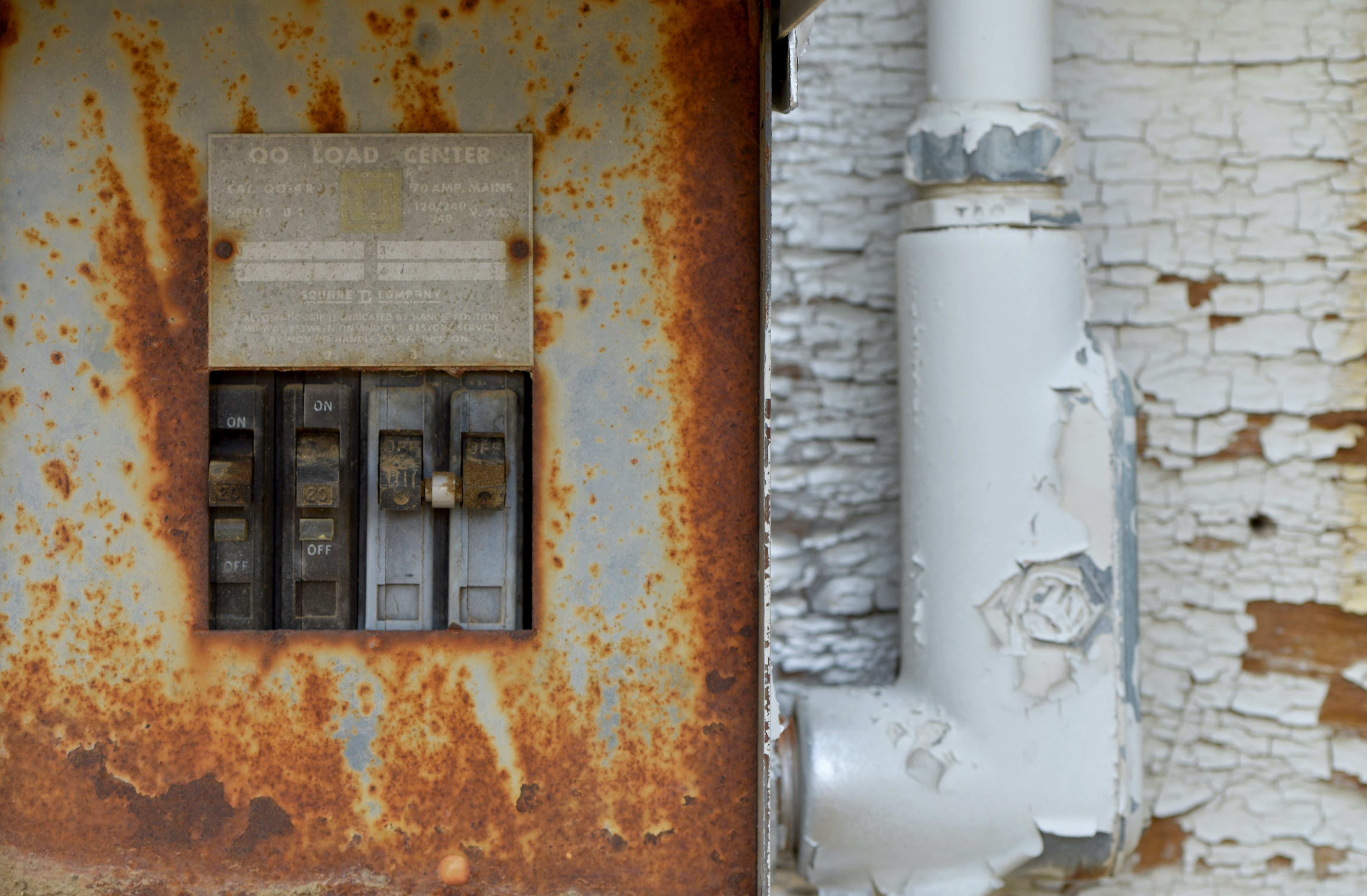
Photo by Greg Bulla on Unsplash

Before you start looking into the details of an electrical short circuit it is essential to understand that electricity is dangerous. In addition, you should note that the majority of electrical procedures cannot legally be done by a homeowner, you need to hire a professional. 

That’s why, if you think you have a short circuit or any other electrical issue, you should contact a reputable Sydney electrician and let them sort the issue. 

The Short Circuit

A short circuit simply means electricity is flowing in the wrong place. All electricity from your home is split into circuits. This is the wires that pause at each outlet or light switch. The electricity moves out from the circuit box on the live wire and returns to the neutral, effectively making a loop. 

However, electricity is fickle. While the wire is safe and easy, there are times when there is an even easier path. 

For example, water is very good at carrying electricity, if you touch an open circuit with water on your hands the water will conduct the electricity and it will move through your hand. In short, you’re the path of least resistance. 

This will give you an electric shock, the severity of which depends on how high the electrical voltage is. 

Short circuits are often seen as flashed, particularly when you turn on or off a circuit. The flash is the electricity jumping and it can cause a fire. Electrical issues are one of the biggest causes of fire at home.

Causes Of A Short Circuit 

Now you know what a short circuit is you need to know what causes them. You may not be able to remedy the issue but knowing what it is will help. 

  • Water

As already mentioned, water is very conductive and will allow electricity to move in unexpected directions. Be vigilant when there is water around. 

  • Bad Connections

Perhaps the most common reason for short circuits is when the connections have become loose. This means they are capable of touching or arcing inside a switch, causing a short circuit and potentially a fire. You are likely to feel the electric shock if you’re touching a switch with bad connections.

  • Old Wiring

Wiring only lasts for 10-15 years. After this time the sheath is too badly worn and won’t contain the electricity properly. This is when you’ll notice short circuits and flickering lights.

  • Pest Damage

Pests, especially rodents, will eat anything. That includes the casing on your wires. When these are damaged you dramatically increase the likelihood of short circuits and electric shocks. 

  • Overloading

Finally, overloaded circuits will build up a heat residue that can cause an array of issues, including short circuits. You need to check that all circuits are safe and there aren’t too many appliances plugged in. 

Remember, your circuit breaker is designed to discover short circuits before you get electrocuted. That’s why you should get your main breakers checked if they keep tripping. They are your safety net and can warn you that you need an electrician. 

How Clogs Can Affect More Than Just Your Drains

Photo by Jingxi Lau on Unsplash

A clog in your underground drainage pipes is a serious issue. You’ll be able to tell instantly if the clog is related to one appliance or the main sewers by verifying which ones are draining slowly. If it’s just one, the clog is in the appliance pipework. When all the appliances are draining slowly the clog is in the main sewer line. 

There are many reasons for clogs to happen. The most common are:

  • Wrong products being flushed

You should only ever flush toilet paper and human waste down the toilet. Anything else, especially wet wipes, is likely to cause a clog.

  • Old pipes

Old pipes are more likely to have residue on the inside of them, allowing debris to cling to the inside of the pipe and start creating a clog. If you have old pipes you need to be aware of this.

  • Tree roots

Trees generally have roots as large as their canopies. If the canopy covers your main sewer line there is a good chance the roots will too. The roots can damage the pipes and cause a clog.

In all cases, it is a good idea to invest in a drain camera and regularly inspect your drains. You should be able to prevent a clog from happening. 

There are multiple types of damage caused by a clog

Flooding

Perhaps the most obvious issue when you have a clog is flooding. This happens because the clog blocks the pipes and the water has nowhere to drain to. Using the flush or the sink/shower will result in water overflowing into your bathroom.

This may be obvious but it is also very expensive. You’ll be glad you have good flood insurance. If not, you’ll find that the damage to your floor, walls, and furnishings can run into thousands and it takes time to dry everything out properly.  

Bacteria

Wastewater is full of bacteria such as E.coli, Salmonella, and even typhoid. When you have a clog in your pipes the water becomes stagnant. That makes it a perfect breeding ground for bacteria. This bacteria can then work its way inside your house through the drainage system. It’s simply a matter of time before the bacteria infects a family member. 

Pests

Just like humans, pests need water, food, and a warm place to stay. If you have blocked pipes you’re effectively creating a perfect habitat for many different creatures. They will be attracted to the clog and they will then start penetrating your home. 

As many pests carry diseases you don’t want them inside your home. 

Mould

Another common issue with clogged pipes is an increase in damp in your home. This is simply because there is more moisture in the air.

Unfortunately, moist air and dark corners offer the perfect habitat for mould. It grows quickly and the spores can penetrate your lungs, causing a variety of illnesses. This is especially concerning if you have asthma or some other respiratory condition. 

In short, if you have a clog you need to take action quickly to deal with the issue.