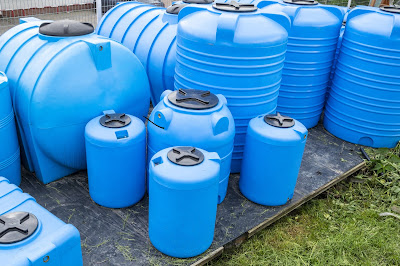
Water tanks come in many different colors, shapes, materials, and sizes. While some people opt for small tanks for emergency use, others might be looking for big tanks to meet irrigation and household demands.
If you’re planning to buy a water tank and want to know which is best suited for your needs, the obvious answer is the bigger a water tank is, the more water you can store. However, if you don’t want to be confused with the many different sizes of water tanks available in the market, make sure to keep the following factors in mind:
1. Determine Rain Harvesting Capacity
Know how much water your catchment place can produce and determine the rainfall in your area. Depending on the size of your house, you may collect thousands of liters of rain per month. But, this amount may even fall in several days. Each area is different, so you might want to ask your region’s meteorology department to know the exact rainfall.
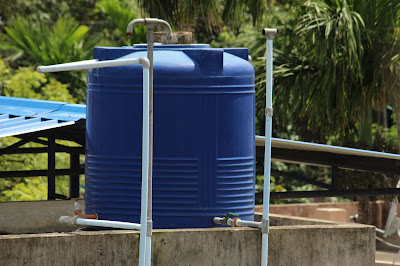
When you know the rainfall and catchment area in your place, calculate the number of liters of rainwater you'll collect. You might also need to make a judgment on how much overflow is acceptable once it pours.
Knowing how much water you’ll consume may also help. Every person in your house may use a few hundred liters daily, but water restrictions may lessen it.
2. Space
When selecting the right water tank size for a new water tank replacement, another factor to consider is your property’s space. How much space do you have for it? Keep in mind that water tanks range in size from a hundred liters to a thousand liters. The more water that tanks hold, the more space it’ll require.
If you have a lot of space, you can install water tanks wherever they’re convenient for you. But, if you have limited space, you might want to opt for an easy-to-conceal small water tank like a bladder tank, which may go under a deck or a house. You can also choose a water tank suitable for an underground installation.
The location of where you’ll install the tank may also help you determine the right type of tank for you. This may also help you know whether or not you need more than one tank. So, don’t forget to consider the space of your property when choosing a water tank size.
3. Council Water Tank Size Requirements
Some factors that may be overlooked when considering the right water tank size for your needs are your local council's requirements. Several councils may need you to:
- Minimum water tank size capacities for new houses
- Detain rainwater to help with stormwater drainage during the heavy storms
- Retain rainwater to combat bushfires if you’re living in a prone area
Water tank and new house requirements may often be found on your local council’s official website. If possible, consult your local council before proceeding with a new water tank purchase, particularly if you’re constructing a new house. This will ensure that you comply with the necessary requirements.
4. Water Usage And Needs
Knowing your water needs and usage helps you understand the rainwater you need to harvest for daily use. If you’re living in a region with mains water, your previous water bills may give you a clue about your daily water consumption. Hose meters may also help you calculate the water volume you usually use for outdoor activities.
Every day, the average water consumption of every person may vary from one place to another. The simplest way to calculate your water needs or usage is by using a rainwater harvesting calculator, which allows you to choose the usual tasks you use water for to determine how much you need.
What Type Of Water Tank Should You Buy?
Plastic water tanks come in various sizes. The good thing about them is that they can be transported without the need for special permits. Plus, they can be installed quickly. Just ensure to purchase a plastic water tank made from quality material and not something made from clear plastic as they may allow algae to grow inside.
Concrete tanks, on the other hand, are also an excellent option. However, they should be installed by qualified contractors to ensure they don’t have other failures or develop cracks. Concrete tanks are typically available in 5000 gallons and 10000 gallons. While fire-resistant, the cost is significantly more than the plastic alternative and may require a permit to install.
Conclusion
Choosing the right water tank size for your needs is never easy, especially if many options surround you. To avoid buying the wrong one, always note the above factors when you’re shopping around. Such factors will serve as your guide and allow you to experience greater peace of mind. If you still can’t determine which water tank size is right for you, don’t hesitate to ask professionals or experienced dealers.


